

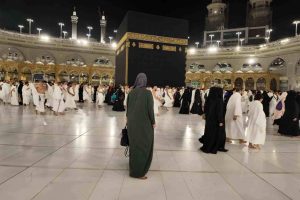
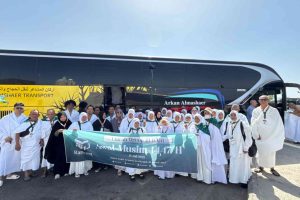



The Hajj pilgrimage is one of the largest annual human migrations in the world. Every year, millions of Muslims travel to the Kingdom of Saudi Arabia to complete this sacred obligation. With such a massive influx, efficient and reliable transportation becomes a cornerstone of a successful and safe pilgrimage. Recently, Arab Saudi has taken a significant step forward with the Arab Saudi Tambah Armada Kereta Haji program — expanding the Hajj train fleet to better serve pilgrims. In this article, we explore what this expansion means, why it matters, and how it is transforming the pilgrim experience.
Introduction: Meeting the Growing Demand
Each year, Saudi Arabia welcomes millions of visitors during the Hajj season. The logistics of moving pilgrims between holy sites like Mecca, Mina, Arafat, and Muzdalifah are incredibly complex. Historically, buses and roads have handled most transport needs, but they can become congested during peak hours. To address this, Saudi authorities have progressively invested in rail transport. Now, with Arab Saudi Tambah Armada Kereta Haji, the Kingdom is adding more trains to its fleet.
This expansion is not just about adding carriages or locomotives. It reflects Saudi Arabia’s commitment to improving infrastructure, safety, and the overall pilgrim experience. As the global Muslim population continues to grow, the demand for reliable Hajj transport will only increase. The expanded fleet aims to meet that need head-on.
Why Expand the Hajj Train Fleet?
Transport during Hajj must be precise and well-coordinated. Pilgrims need to move swiftly between sacred ritual locations within specific time windows. Delays or overcrowding can create serious challenges, from heat stress to safety risks. For this reason, rail transport has emerged as a game-changer.
Saudi Arabia’s investment in train systems, including the Haramain High-Speed Railway, has already modernized pilgrimage travel. The Arab Saudi Tambah Armada Kereta Haji initiative builds on this foundation, increasing capacity and scheduling flexibility. With additional trains, the Kingdom can spread demand more evenly and reduce bottlenecks that once plagued pilgrim movement.
Moreover, modern trains offer more comfort and predictability than road-based alternatives. Air-conditioned carriages, comfortable seating, and reliable timetables help reduce pilgrim stress and fatigue. These improvements directly contribute to a safer and more spiritually focused Hajj experience.
The Role of Rail Infrastructure in Hajj Logistics
Rail transport plays a critical role in managing large-scale pilgrim movements. The Haramain High-Speed Railway, for example, connects major urban centers like Mecca, Medina, Jeddah, and King Abdullah Economic City. While this network primarily serves year-round passengers, it also supports Hajj and Umrah traffic.
During the Hajj season, specialized train services operate between key ritual sites and transportation hubs. The Arab Saudi Tambah Armada Kereta Haji expansion enables more frequent departures, reducing wait times for pilgrims traveling long distances.
Because trains can carry large numbers of people in a single trip, they help reduce pressure on roads. This shift eases congestion, lowers carbon emissions, and enhances overall safety. From a logistical perspective, rail systems are easier to coordinate with timing windows for key pilgrimage rites.
Improved Safety and Comfort for Pilgrims
One of the most compelling benefits of expanding the Hajj train fleet is improved safety. Overcrowded buses and long road journeys can increase the risk of accidents or health issues. By contrast, trains provide a controlled, stable, and monitored environment.
Air-conditioned carriages are especially valuable during the searing heat of the Saudi summer. Heat exhaustion and dehydration are serious concerns for pilgrims, particularly in transit. The newer trains deployed under the Arab Saudi Tambah Armada Kereta Haji initiative prioritize climate control and comfort, helping minimize health risks.
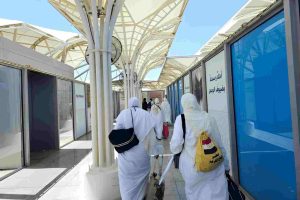
Furthermore, modern train stations are designed to manage large crowds efficiently. They offer clear signage, waiting areas, and easier boarding procedures. These factors reduce confusion and stress, particularly for elderly pilgrims or those with mobility challenges.
Economic and Social Benefits for Saudi Arabia
Beyond improving pilgrim experience, the expansion of the Hajj train fleet represents a major economic achievement for Saudi Arabia. The investment supports the Kingdom’s broader Vision 2030 goals, which emphasize infrastructure development and tourism facilitation. Upgrading transport systems demonstrates Saudi Arabia’s commitment to world-class pilgrimage services.
The construction, maintenance, and operation of additional trains also create jobs and stimulate local industries. From rail engineers and station staff to hospitality services and logistics planners, many sectors benefit.
Socially, more efficient transportation helps foster a welcoming environment for pilgrims from diverse countries. Pilgrims feel respected and cared for when their basic needs — such as travel comfort — are attended to. Positive experiences during Hajj often strengthen bonds between visiting Muslims and Saudi hosts. In this way, the train expansion plays a role in international goodwill and cultural exchange.
How the Expanded Fleet Operates
The specifics of the expanded train operations reflect careful planning. The additional train units are scheduled to run at high frequencies during peak pilgrimage days. These extra services help distribute crowds and minimize waiting times at departure points.
Each train route is designed with pilgrim flows in mind. Key origins and destinations include Mecca, Mina, Arafat, and other ritual sites. The expanded fleet increases the number of trips per hour, allowing continuous movement throughout the day.
Safety protocols are integral to operations. Trains are equipped with advanced monitoring systems and staffed by trained personnel to manage emergencies. Coordination with health services ensures that medical support is available if needed during transit.
The Arab Saudi Tambah Armada Kereta Haji strategy also integrates with digital ticketing systems. Pilgrims can access schedules, seats, and boarding passes through mobile applications. This digitization further streamlines the travel process, reducing queues and confusion.
Real Experiences from Pilgrims
Pilgrims who have experienced the expanded train services often note a marked difference compared to previous years. Many describe smoother journeys, better climate control, and less physical strain during transfers. These improvements make the intense Hajj rituals more manageable, especially for older pilgrims or those with health concerns.
Some pilgrims also appreciate how trains reduce exposure to harsh outdoor conditions. Walking long distances under the sun, especially after a night of prayers and minimal sleep, can be exhausting. With trains, the transition between ritual sites feels more dignified and less taxing.
The sense of order and predictability that rail services provide also helps pilgrims mentally prepare for each stage of the Hajj. When transport runs on schedule, pilgrims can focus more fully on spiritual aspects rather than logistical worries.
Challenges and Future Developments
Despite the progress, challenges remain. The Hajj is an enormous event, and even expanded train fleets can experience peak-day pressure. Future developments may include further expanding rail capacity, integrating with automated crowd management systems, or adding new routes.
Saudi authorities continually analyze data from each Hajj season to identify areas for improvement. As technology advances, there is potential for even smarter transport systems that anticipate pilgrim movements and optimize flows in real time.
Another area of future focus is accessibility. Ensuring that all pilgrims, regardless of age or physical ability, can use rail services smoothly is an ongoing priority. Enhanced station design, dedicated assistance services, and clearer information campaigns are part of this effort.
Global Comparisons: How Other Nations Manage Mass Pilgrimage Transport
When considering the Arab Saudi Tambah Armada Kereta Haji initiative, it’s useful to compare it with other large pilgrimage transport systems worldwide. For instance, countries managing mass religious events, such as India during the Kumbh Mela, deploy extensive rail and bus networks. These systems coordinate to move millions with minimal disruption. (Source: Hindustan Times on Kumbh Mela logistics)
While each event has unique characteristics, successful transport strategies share common elements: robust planning, investment in infrastructure, crowd control expertise, and a commitment to safety. Saudi Arabia’s expansion of its train fleet aligns with these principles.
A Transformative Step for Pilgrimage Travel
The Arab Saudi Tambah Armada Kereta Haji initiative marks a transformative step in pilgrimage logistics. By expanding the Hajj train fleet, Saudi Arabia enhances safety, comfort, and efficiency for millions of pilgrims. These improvements reflect the Kingdom’s broader commitment to world-class infrastructure and a welcoming pilgrimage experience.
If you are planning to perform Hajj in the coming years, staying informed about transportation developments can help you prepare more effectively. Consider how expanded train services might shape your pilgrimage experience.
Saudi Arabia’s investment in pilgrim transport shows that spiritual journeys benefit greatly from thoughtful planning and modern solutions. With continued improvements, the Hajj journey will become smoother and more dignified for all who undertake it.
FAQs
What is the purpose of Arab Saudi Tambah Armada Kereta Haji?
The initiative aims to expand Saudi Arabia’s train fleet to improve pilgrim transport during the Hajj season, addressing congestion and enhancing comfort.
How does the expanded train service benefit pilgrims?
Additional trains reduce wait times, offer climate-controlled travel, and improve safety during long-distance movement between ritual sites.
Will the train services operate only during Hajj?
While some services are seasonal, key rail networks like the Haramain High-Speed Railway operate year-round, with expanded schedules during Hajj.
Are train tickets included in Hajj packages?
Many Hajj travel packages now include train transportation, but it’s important to confirm details with your provider.
Can elderly pilgrims use the Hajj train services?
Yes, the trains are designed to be accessible, with staff and support systems to assist pilgrims of all ages.
Update Aturan Transportasi Antar Kota – Pemerintah telah memperbarui aturan transportasi antar kota untuk meningkatkan keselamatan dan efisiensi perjalanan. Penumpang kini wajib menunjukkan dokumen identitas dan tiket resmi, sementara kendaraan harus memenuhi standar kebersihan dan keselamatan terbaru. Perubahan ini bertujuan memastikan mobilitas yang nyaman dan tertib bagi semua.


